
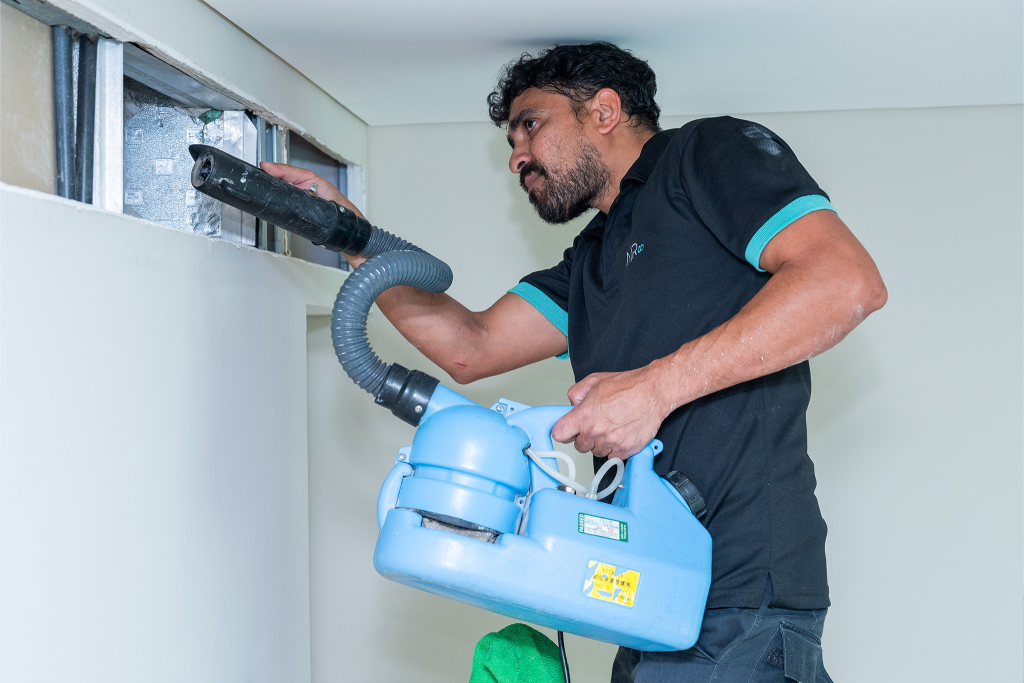
If you own or manage a property, chances are your air conditioner works quietly in the background—until it doesn’t. Many people hear the term AC maintenance all the time, but few really know what it includes or why it matters so much. Is it just cleaning filters? Is it only needed when something breaks? Or is it more than that?
In simple terms, AC maintenance is about keeping your cooling system healthy, efficient, and reliable before problems start. Choosing top-rated AC maintenance solutions and understanding what proper care looks like can save you money, stress, and uncomfortable breakdowns in the long run. This guide breaks everything down clearly, without technical jargon, so property owners know exactly what best AC maintenance really means.
What Is AC Maintenance, Really?
AC maintenance is a set of routine checks, cleaning tasks, and small adjustments that keep your air conditioning system running properly. It is preventive, not reactive.
Instead of waiting for your AC to stop cooling or start making noise, maintenance focuses on spotting early signs of wear, dirt buildup, or inefficiency. The goal is to fix small issues before they turn into expensive repairs.
The best AC maintenance approach looks at the entire system, not just one visible part.
Why AC Maintenance Is So Important for Property Owners
For property owners, AC systems are not just appliances. They are long-term investments that directly affect comfort, energy bills, and even tenant satisfaction.
Here is why regular maintenance matters:
- It improves cooling performance during hot months
- It reduces electricity consumption
- It helps avoid sudden breakdowns
- It extends the lifespan of the AC unit
- It maintains better indoor air quality
Without maintenance, even a high-quality AC unit can struggle. Dust, clogged filters, and worn components quietly reduce performance over time.
What Does AC Maintenance Actually Include?
Many people assume AC maintenance means “a quick cleaning.” In reality, proper service covers several important areas.
Filter Cleaning or Replacement
Air filters trap dust, pollen, and other airborne particles. When filters get clogged, airflow drops and the system works harder.
Regular filter care:
- Improves airflow
- Reduces strain on the system
- Helps maintain cleaner indoor air
This is one of the simplest but most critical steps in best AC maintenance.
Coil Cleaning
AC units have evaporator and condenser coils that help absorb and release heat. Over time, these coils collect dirt and grime.
Dirty coils:
- Reduce cooling efficiency
- Increase energy consumption
- Cause uneven cooling
Cleaning coils restores heat transfer and helps the system cool faster and more evenly.
Electrical Component Inspection
AC systems rely on electrical connections, capacitors, and contactors. Loose or worn components can lead to system failure or safety risks.
During maintenance, technicians:
- Check wiring connections
- Test electrical parts
- Ensure safe and stable operation
This step is often overlooked but is essential for reliable performance.
Refrigerant Level Check
Refrigerant is what allows your AC to cool air. Too little or too much refrigerant affects efficiency and can damage the compressor.
Proper maintenance includes:
- Checking refrigerant levels
- Identifying leaks if levels are low
- Ensuring correct pressure
Maintaining the right balance is a key part of best AC maintenance practices.
Drain Line and Pan Cleaning
AC systems remove humidity from the air, which creates condensation. This water drains through a pipe and into a drain pan.
If the drain line gets clogged:
- Water can leak into ceilings or walls
- Mold growth can occur
- The system may shut down
Cleaning and flushing the drain line helps prevent water damage.
How Often Should AC Maintenance Be Done?
For most residential and commercial properties, AC maintenance should be scheduled at least twice a year.
- Before summer: To prepare the system for heavy usage
- After summer: To address wear from long operating hours
In dusty or high-usage environments, more frequent checks may be needed. Consistent servicing is what separates average care from best AC maintenance.
Signs Your AC Needs Maintenance (Even If It Still Works)
An AC unit does not need to break down completely to signal trouble. Watch for these warning signs:
- Weak or uneven airflow
- Unusual noises or vibrations
- Musty or unpleasant smells
- Rising electricity bills
- Longer cooling times
These issues often indicate buildup, minor damage, or system imbalance that maintenance can fix early.
AC Maintenance vs. AC Repair: What’s the Difference?
This is a common point of confusion.
AC maintenance is preventive. It keeps the system healthy and reduces the chance of failure.
AC repair is corrective. It fixes problems after something goes wrong.
Property owners who invest in best AC maintenance usually face fewer repairs and lower long-term costs.
How AC Maintenance Affects Energy Bills
A poorly maintained AC system works harder to achieve the same cooling result. This leads to higher electricity usage and rising monthly bills.
Well-maintained systems:
- Cool rooms faster
- Run for shorter cycles
- Consume less energy
Over time, regular servicing can significantly reduce energy expenses, especially in warmer climates.
Is DIY AC Maintenance Enough?
Property owners can handle some basic tasks, such as:
- Cleaning or replacing filters
- Keeping outdoor units free from debris
- Ensuring vents are not blocked
However, professional maintenance is still necessary. Electrical checks, refrigerant handling, and internal cleaning require proper tools and training.
DIY efforts support maintenance, but they cannot replace best AC maintenance provided by trained technicians.
Why Preventive Maintenance Saves Money
Skipping maintenance may seem like a cost-saving choice, but it often leads to bigger expenses later.
Without regular care:
- Components wear out faster
- Repairs become more frequent
- Full system replacement may be needed sooner
Preventive servicing spreads costs over time and protects the value of your property.
Final Thoughts: What AC Maintenance Really Means
AC maintenance is not just a checklist or a seasonal task. It is an ongoing process that protects comfort, efficiency, and system longevity.
For property owners, understanding what proper care includes makes it easier to plan ahead, avoid surprises, and keep cooling systems running smoothly year-round. Choosing best AC maintenance practices is one of the smartest decisions you can make for your property.